
- Source Home Furniture
- Source Kitchen Furniture
- Source Bathroom Furniture
- Source Hospitality Furniture
- Source Office Furniture
- Source Outdoor Furniture
- Source Educational Furniture
- Source Healthcare Furniture
- Source Lighting
- Source Baby Kids Furniture
- Source Retail Showroom Furniture
- Source Commercial Furniture
- Source Contract & Event Furniture
- Source Decor
- Source Pet Furniture
- Source Public Furniture

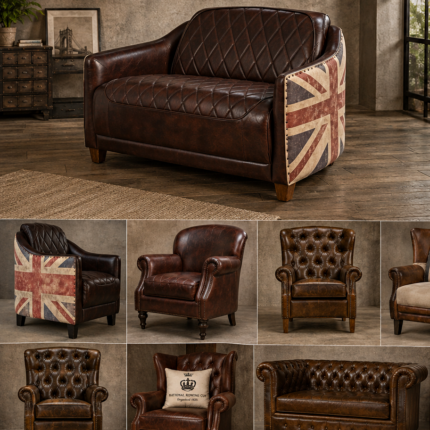
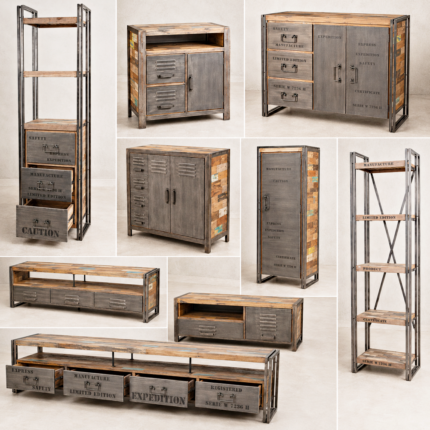
Source Industrial Furniture | World's Top Manufacturers of Steel, Metal & Reclaimed Wood Industrial-Style Furniture
Industrial furniture is one of the most commercially durable and globally versatile design aesthetics in the furniture market. Born in the abandoned factories and warehouses of New York's SoHo in the 1960s and 1970s, refined across decades of urban loft living, and now embedded as a standard design language across residential, hospitality, and commercial interior design globally, industrial furniture has proven something that few furniture aesthetics achieve: genuine cross-sector, cross-demographic, and cross-geography commercial longevity.
Industrial interior design is an aesthetic philosophy that prioritizes structural honesty — creating a "warehouse look" by exposing elements that are typically hidden, and celebrating raw, unfinished materials like brick, concrete, and steel. Industrial style furniture has become increasingly popular in recent years, captivating homeowners and interior designers alike with its raw, urban appeal. This design aesthetic draws inspiration from the factories and warehouses of the early 20th century, embracing the beauty of utilitarian objects and materials.
And in 2026, the style is evolving rather than declining. Modern industrial design is moving away from the "cold" factory look, now incorporating biophilic design — living walls, hanging plants — and warm textures like boucle, velvet, and walnut wood, to create spaces that feel habitable rather than sterile. The "Warm Industrial" trend of 2026 is emerging as one of the most commercially significant interior design movements.
Metal furniture is gaining traction in commercial and institutional settings, supported by its recyclability, durability, and suitability for compact, ESG-aligned designs — contributing to incremental value growth in offices, hospitality, and public infrastructure projects, especially in dense urban environments.
Suren Sourcing lists the world's top verified industrial furniture manufacturers for global B2B buyers — premium furniture retailers, importers, hospitality developers, commercial interior designers, office fit-out firms, restaurant and café operators, and e-commerce brands — seeking the structural honesty, material durability, and raw aesthetic authority that industrial furniture delivers across every application context.
What Is Industrial Furniture? — The Design Language Defined
Industrial furniture is one of the most precisely definable aesthetic categories in the furniture industry — and understanding its material vocabulary, visual principles, and design sub-styles in commercial depth is essential for B2B buyers building coherent ranges and specifying at scale.
The Core Material Vocabulary
A hallmark of industrial furniture is using raw, unfinished materials like steel, iron, and reclaimed wood. Industrial furniture is a celebration of materials in their most honest form, showcasing natural textures and imperfections as part of its unique design.
Steel & Iron — The Structural Backbone Metal is where industrial design gets its backbone — literally. Iron, steel, and sometimes aluminium provide strength, structure, and shine. You'll find them in black steel finishes or brushed and polished styles. Metal accents don't just support; they define the look. They create that factory-inspired feel. Think wrought iron beams or slender steel chair legs. The finish vocabulary of industrial metal spans matte black powder coat, raw mill steel, brushed steel, antiqued iron, galvanised steel, and increasingly, warm metallic accents in brushed brass, copper, and gunmetal that define the Warm Industrial evolution of 2026.
Reclaimed & Distressed Wood — The Warmth Counterpoint The charm of reclaimed wood lies in its imperfect history. Nicks and cracks tell stories, and slices of past lives get new purpose. Oak, pine, or walnut — each a different tone and texture. They offer a rustic touch, blending seamlessly with the raw steel frames or exposed hardware found in industrial tables and storage solutions. Reclaimed timber — from old factory floors, barn boards, scaffolding planks, and railway sleepers — provides the warm counterbalance to industrial metal's cool severity. Wire-brushed and distressed wood finishes applied to new timber achieve a similar visual effect in volume production.
Concrete — The Urban Surface Concrete is a material commonly used in industrial furniture, particularly for tabletops or surfaces. Its cool and minimalist appearance adds an edgy element to the design while further emphasising industrial aesthetics. Concrete tabletops, shelving surfaces, and accent pieces — either in poured concrete or the lighter, production-practical concrete-effect finishes — bring a distinctly urban material vocabulary to industrial furniture that resonates particularly strongly in commercial hospitality and contemporary office contexts.
Exposed Hardware — Function as Decoration Exposed hardware is often left untreated or finished in a way that complements the overall design, enhancing the industrial look. The industrial trend extends to drawer pulls, handles, and hinges chosen to further accentuate the piece's character. This emphasis on visible hardware serves both an aesthetic and functional purpose — ensuring the furniture is sturdy and durable while aligning perfectly with the industrial roots of robust, reliable factory pieces. Visible bolts, rivets, pipe fittings, heavy-duty hinges, and black iron hardware are all signature visual elements — the direct celebration of structure that defines industrial design's philosophical departure from furniture that conceals its own construction.
The Colour Palette Industrial furniture favours a neutral palette of greys, browns, and blacks — neutral tones that provide a versatile backdrop, letting the raw materials shine and easily blending with other decor styles. For 2026, the palette is evolving: base tones of charcoal, slate grey, off-white, and matte black are warmed by terracotta from brick, cognac from leather, and deep umber from wood — with accents in brushed brass, copper, and gunmetal providing the metallic luminance that distinguishes Warm Industrial from its colder predecessor.
The Industrial Furniture Sub-Styles — A Buyer's Reference
Classic / Raw Industrial The original warehouse aesthetic — the unapologetic celebration of structural material in its most unprocessed form. Pipe-and-plank shelving, raw steel dining tables, factory-floor stools, metal mesh storage, and heavy iron-framed pieces with visible welding. This sub-style serves the urban loft residential market, craft breweries, artisan workspaces, and the minority of commercial buyers who want maximum aesthetic edge. Commercially relevant for buyers serving urban markets where the authentic industrial provenance story matters to the consumer.
Modern / Contemporary Industrial Modern industrial design combines factory-inspired elements with contemporary touches, creating a unique aesthetic that feels both timeless and current. Clean geometric forms in steel and engineered wood, matte black metal frames with smooth wood surfaces, precision-welded furniture without the deliberate rawness of classic industrial. This is the most commercially mainstream industrial sub-style — accessible to broader retail audiences, compatible with both residential and commercial contexts, and producing pieces that photograph cleanly for e-commerce and retail catalogue applications.
Warm Industrial (2026's Defining Evolution) From SoHo artist lofts to the Warm Industrial trend of 2026, modern industrial design incorporates biophilic accents and warm textures — boucle, velvet, walnut wood — to create spaces that feel habitable rather than sterile. For 2026, mix heavy vintage pieces with modern silhouettes. Look for "mixed media" furniture: a coffee table combining a heavy slab of live-edge oak with industrial hairpin legs, or a shelving unit made from reclaimed scaffolding boards and black iron piping. Warm Industrial is the fastest-growing commercial sub-style — appealing to premium residential buyers who want industrial character without sacrificing domestic warmth, and to hospitality operators wanting a sophisticated version of the aesthetic that photographs well on social media.
Industrial Farmhouse (Rustic Industrial) The fusion of industrial metal structure with farmhouse natural material warmth. Mixing industrial and rustic styles creates a truly unique and captivating living space — incorporating industrial materials like metal and concrete alongside rustic wooden elements. A reclaimed wood dining table paired with sleek metal chairs creates a harmonious contrast. This sub-style is the most commercially accessible industrial variant — particularly strong in North American retail, where the industrial farmhouse aesthetic has been one of the most commercially consistent residential furniture categories for over a decade.
Industrial Loft / Urban Chic The mature, design-literate evolution of industrial furniture for premium residential and boutique hospitality — where industrial elements are used as accent and contrast within otherwise refined interiors rather than as total aesthetic systems. A distressed leather Chesterfield against exposed brick, a black steel bookshelf in a white apartment, a concrete-top dining table with elegant upholstered dining chairs — the sophistication lies in restraint and contrast.
Industrial Furniture — The Commercial Context
A Style With Structural Commercial Depth Across Multiple Channels
Industrial furniture's commercial endurance is built on a combination of factors that give it unusual longevity compared to trend-dependent aesthetics.
Metal furniture is gaining traction in commercial and institutional settings, supported by its recyclability, durability, and suitability for compact, ESG-aligned designs. This material shift is contributing to incremental value growth in offices, hospitality, and public infrastructure projects, especially in dense urban environments.
Industrial furniture's dual appeal — simultaneously residential and commercial — gives it an exceptionally broad buyer base. The same manufacturer producing black steel and reclaimed wood dining tables serves urban residential retail, restaurant and café fit-outs, co-working space interiors, and boutique hotel F&B simultaneously. This multi-channel commercial versatility makes industrial furniture an unusually resilient category investment for B2B buyers.
The Sustainability Alignment — Reclaimed as Commercial Advantage Using reclaimed wood and refurbished metal increases sustainability — fit for eco-conscious design. Many brands offer recycled materials, promoting a sustainable design ethos. Industrial furniture's inherent use of reclaimed timber and recyclable steel creates a natural alignment with sustainability requirements that many other furniture styles must artificially construct. For buyers serving markets with ESG requirements — European retail chains, corporate office procurement, sustainability-positioned hospitality brands — industrial furniture's material story is genuinely and verifiably green.
The Urban Densification Driver Urbanisation is a structural driver of industrial furniture demand that will operate for decades. As cities grow denser, urban living spaces get smaller, and consumers in loft apartments, converted warehouse spaces, and compact urban homes increasingly reach for furniture with the raw, spatial confidence of industrial design — pieces that feel architecturally appropriate to exposed brick, concrete, and high-ceiling urban environments. More than 500 million additional people are expected to move into cities between 2026 and 2050, primarily across Asia-Pacific and Africa — expanding the urban living demographic that is industrial furniture's most natural residential consumer base.
Industrial Furniture Product Categories
Dining Tables — The Category's Commercial Anchor A dining table with metal legs and a solid wood top is the best choice for a rustic industrial decor dining room — paired with metal-framed chairs or rustic wooden benches for a stunning finished look. Steel-legged dining tables with reclaimed or solid hardwood tops, pipe-base dining tables, trestle-form steel and wood dining tables, concrete-effect top dining tables with black steel bases, and industrial round dining tables with cast iron pedestal bases. The dining table is industrial furniture's highest-volume commercial category — central to both residential retail and commercial F&B fit-out purchasing.
Dining Chairs, Bar Stools & Seating Metal dining chairs with industrial finishes, industrial-style bar stools in steel and wood, stackable metal café chairs, factory-inspired swivel stools, wire-frame chairs, tolix-style powder-coated metal chairs, and upholstered dining chairs with steel frames. Restaurant, café, and bar operators are the most commercially active buyers of industrial seating — seeking pieces that are simultaneously durable under commercial use, lightweight for efficient cleaning, stackable for storage, and visually distinctive enough to contribute to their venue's brand identity.
Coffee Tables, Side Tables & Occasional An industrial coffee table with a steel base and a reclaimed wood top is a foundational industrial piece — complemented by metal shelving units and exposed light fixtures to enhance the industrial vibe. Steel hairpin-leg coffee tables, pipe-frame coffee tables with reclaimed wood tops, concrete-surface coffee tables with metal bases, industrial nesting tables, and drum-form side tables in metal or wood-and-steel combinations. The hairpin leg — one of the most commercially iconic industrial furniture details — appears across coffee tables, side tables, and dining tables as an instantly recognisable industrial signature element.
Shelving, Storage & Bookcases Pipe-and-plank shelving systems are one of the most commercially recognisable industrial furniture forms — reclaimed scaffolding boards on black iron pipe fittings. Industrial pipe shelving, metal and wood wall-mounted shelving, industrial bookcases with steel frames and solid wood shelves, metal lockers and storage cabinets, open industrial shelving units, and industrial media consoles. Shelving is a commercially significant industrial furniture sub-category — particularly for urban residential buyers where open industrial shelving replaces conventional closed cabinetry and serves as a design feature alongside its storage function.
Desks & Home Office Furniture An industrial desk with metal legs and a wooden surface, complemented with open metal shelving and geometric lighting, creates a productive yet stylish workspace. Steel-framed writing desks with solid wood tops, industrial corner desks, pipe-structure computer desks, industrial-style filing cabinets, and metal-framed home office sets. Industrial home office furniture has strong commercial performance across both residential retail and commercial co-working space fit-outs — the raw, structural confidence of the aesthetic is particularly well-suited to workspace environments.
Beds & Bedroom Furniture Industrial metal bed frames — typically in black powder-coated steel or dark iron — are a significant commercial category, particularly for urban loft-style residential buyers and boutique hotel guestrooms. Pipe-frame bed frames, metal platform beds with wooden slat systems, industrial-aesthetic bedside tables with steel frames and wooden shelves, and metal and wood bedroom sets. Industrial bedroom furniture performs particularly strongly in the urban loft residential market and in boutique hotel guestrooms designed around industrial or converted warehouse aesthetics.
Sofa & Lounge Seating The quintessential industrial seating piece is the Chesterfield sofa in distressed leather — furniture that looks like it has stories to tell. For 2026, mix these heavy vintage pieces with modern silhouettes to avoid looking like a museum. Incorporate a "statement chair" in a soft fabric like wool or velvet to break up the leather and metal dominance. Distressed leather Chesterfield sofas, metal-framed sofas with cushioned seats, industrial sectionals in performance fabric, and mixed-material lounge seating combining steel frames with velvet or bouclé upholstery for the Warm Industrial aesthetic.
Commercial Contract — Restaurant, Bar & Office Commercial stackable chairs, bar counter stools, restaurant table bases and tops, meeting room tables with steel frames, industrial bench seating for hospitality, co-working space furniture systems, and custom commercial pieces for specific F&B and workplace concepts. Industrial furniture's commercial contract application is one of its most commercially important channels — particularly in urban F&B, where the raw aesthetic has dominated café, restaurant, and bar interior design in major cities globally for over a decade.
Outdoor Industrial Furniture Weather-resistant steel and Cor-Ten weathering steel outdoor dining sets, industrial powder-coated outdoor chairs, metal outdoor benches, and heavy-gauge outdoor furniture for commercial terraces and urban outdoor spaces. Industrial outdoor furniture serves commercial hospitality terraces, urban residential balconies and patios, and commercial outdoor seating areas particularly well — the materials' inherent robustness and low-maintenance character is a commercial advantage in outdoor applications.
Source Industrial Furniture by Country — Manufacturing Strengths
🇮🇳 India — The Global Leader in Handcrafted Iron & Reclaimed Wood Industrial Furniture India is the world's most important source for handcrafted industrial furniture — particularly for the authentic reclaimed wood and hand-hammered iron pieces that define the premium end of the category. India's furniture industry is renowned for metal crafts in brass, iron, and aluminium, as well as hand-carved wooden pieces — many factories use reclaimed wood, adding a sustainable edge that appeals to eco-conscious consumers. Top manufacturing hubs — Jaipur, Jodhpur, and Moradabad — specialise in various crafts; Jodhpur is known for wooden furniture and intricate designs, while Moradabad focuses on metalwork.
Jodhpur's manufacturers produce industrial furniture with a genuine artisanal quality that volume factories cannot replicate — hand-hammered iron furniture legs, hand-forged brackets, reclaimed timber sourced from demolition sites and old buildings, and hand-finished surfaces that carry the character of genuine craft. For buyers building premium industrial ranges for North American, European, and Australian markets where authenticity and sustainability narrative matter, Indian manufacturers are the premier source.
🇨🇳 China — Volume Production, Full Range & Competitive Pricing China is the world's dominant source for industrial furniture at volume — producing steel-and-wood dining tables, metal dining chairs, industrial shelving systems, pipe-frame furniture, and complete industrial home collections for global retail chains, e-commerce platforms, and commercial buyers. Foshan's metal furniture manufacturers offer precision laser-cut steel, CNC-bent metal components, and powder-coat finishing at a production scale and price point that no other country matches. China is the largest exporter with a strong global supply chain in metal furniture — and Chinese manufacturers in Guangdong and Zhejiang produce the majority of the world's mid-market industrial furniture for North American and European retail channels.
🇻🇳 Vietnam — Quality Wood-Metal Combination & Export Growth Vietnam's skilled woodworking manufacturers have developed strong capabilities in industrial furniture production — combining solid wood tops and reclaimed-finish surfaces with imported or domestically produced metal bases and frames. Vietnamese manufacturers produce industrial dining sets, wood-and-steel shelving, and mixed-material industrial home furniture for global buyers at competitive prices with growing design quality. Binh Duong and Dong Nai province manufacturers serve North American and European buyers seeking quality alternatives to Chinese production.
→ Source Furniture from Vietnam
🇲🇽 Mexico — Nearshore Industrial for North American Buyers Mexico's strong metalworking tradition — centred in Monterrey, Guadalajara, and the Bajío industrial corridor — produces industrial furniture with USMCA trade advantages for US buyers. Mexican manufacturers produce steel-framed furniture, metal dining chairs, industrial shelving, and custom metalwork pieces with short lead times and competitive nearshore pricing. For US importers seeking to reduce Asian supply chain dependence while maintaining industrial aesthetic quality, Mexico is a strategically valuable source.
→ Source Furniture from Mexico
🇹🇼 Taiwan — Precision Metal Engineering & OEM Industrial Taiwan's precision metal manufacturing expertise — the same engineering culture that built its semiconductor and bicycle industries — produces industrial furniture components and finished pieces with technical precision that volume factories cannot match. Taiwanese manufacturers serve both direct B2B buyers and global industrial furniture brands seeking OEM precision metalwork, custom steel fabrication, and technically sophisticated industrial furniture production.
→ Source Furniture from Taiwan
🇩🇪 Germany — Premium Industrial & Commercial Metal Furniture Germany's industrial manufacturing heritage produces premium commercial metal and industrial-aesthetic furniture for the European market — including precision-engineered steel office furniture, industrial-style public seating, and the technically sophisticated metalwork that premium hospitality and commercial fit-out buyers require. German manufacturers produce industrial furniture with full EU compliance, sustainability certification, and the quality engineering that European institutional buyers demand.
→ Source Furniture from Germany
🇵🇱 Poland — European-Grade Industrial & Contemporary Metal Poland's advanced metal furniture manufacturing capability — demonstrated through manufacturers like Nowy Styl's commercial seating range — extends to industrial-aesthetic contract furniture for European office, hospitality, and commercial buyers. Polish manufacturers produce industrial-style dining chairs, metal shelving, and commercial furniture to EU safety and sustainability standards at competitive prices for European buyers seeking shorter supply chains.
→ Source Furniture from Poland
🇿🇦 South Africa — Handcrafted Industrial & African Metal Craft South Africa's Cape Town and Johannesburg design communities have developed a distinctive industrial furniture manufacturing capability — particularly for handcrafted steel-and-wood pieces, hand-forged iron furniture, and custom commercial industrial pieces for the African hospitality and residential premium market. South African industrial furniture manufacturers serve boutique hotel developers, restaurant operators, and premium residential buyers across Southern and East Africa.
→ Source Furniture from South Africa
Key Trends Shaping Industrial Furniture Sourcing in 2026
The Warm Industrial Revolution The most significant 2026 trend in industrial interior design is the "Soft" shift — modern industrial is moving away from the cold factory look, now incorporating biophilic design and warm textures like boucle, velvet, and walnut wood to create habitable rather than sterile spaces. For B2B buyers, this means the pure black-steel-and-raw-wood industrial is evolving into a warmer hybrid — pieces that combine industrial structure with residential comfort materials. Manufacturers capable of producing mixed-media pieces — steel frames with warm wood, velvet-upholstered industrial chairs, brass-accented steel shelving — are positioned at the leading commercial edge of the category.
Mixed Media as the Design Standard Look for "mixed media" furniture: a coffee table combining a heavy slab of live-edge oak with industrial hairpin legs, or a shelving unit made from reclaimed scaffolding boards and black iron piping. The single-material industrial piece is the entry tier; the premium tier combines two or three materials — steel with reclaimed wood, concrete with iron, leather with powder-coated metal — in ways that create visual tension and material richness. Manufacturers offering mixed-material production capability command higher margins and serve more sophisticated buyers.
Warm Metallic Accents Replacing Pure Black Metallic finishes are evolving — brushed brass, copper, and gunmetal are replacing the monochromatic black-and-grey palette as accent tones in industrial design. For buyers and manufacturers, this means the hardware, base finishes, and metal accent elements of industrial furniture are becoming more material-diverse — and manufacturers who can offer multiple metallic finish options (matte black, brushed brass, antiqued copper, raw steel) rather than only black powder coat have a commercial advantage in premium retail and specification channels.
Sustainability Premium — Reclaimed as Selling Point Using reclaimed wood and refurbished metal increases sustainability — fit for eco-conscious design. Many brands now offer recycled materials, promoting a sustainable design ethos that fits well with environmentally friendly values. Reclaimed timber with documented provenance, recycled steel content, and sustainable material certifications are increasingly required by European and North American retail buyers. Manufacturers in India and Vietnam with genuine reclaimed wood sourcing capability have a commercial advantage over those producing artificially distressed new wood.
Commercial Contract Driving Volume Growth The commercial furniture segment is expected to grow at the fastest CAGR of 6.5% from 2026 to 2033 in the US market alone — and globally, the rapid expansion of co-working spaces, urban F&B concepts, boutique hotels, and commercial interior fit-outs is generating sustained demand for industrial furniture that far exceeds residential retail growth rates. For B2B buyers, the commercial contract channel for industrial furniture is a commercially significant and structurally growing opportunity.
Industrial Furniture — Applications & Interior Contexts
Urban Residential — Lofts, Apartments & Open-Plan Living The style's native context. Converted warehouse lofts, exposed brick apartments, open-plan urban homes where high ceilings, concrete floors, and structural honesty call for furniture that is architecturally resonant with the space. Industrial furniture in residential contexts is strongest in US, UK, Australian, and Northern European urban markets where the loft-conversion residential typology has created a sustained natural demand.
Restaurants, Cafés & Bars The most commercially active application context for industrial furniture globally. The combination of material durability (steel chairs and reclaimed wood tables withstand commercial F&B use), visual distinctiveness (industrial aesthetics photograph well and contribute to venue brand identity), and the authentic origin story that resonates with urban consumers makes industrial furniture the default specification language for independent restaurant, café, and bar operators in major cities worldwide.
Co-Working Spaces & Creative Offices Industrial furniture's core values — structural honesty, functional simplicity, material quality — align precisely with the aesthetic and operational values of the creative and technology workplace sector. Exposed steel shelving systems, reclaimed wood meeting tables, metal-framed task chairs, and industrial storage solutions serve co-working space operators, creative agency offices, and design studio interiors globally.
Boutique Hotels & Urban Hospitality Industrial furniture serves boutique hotel lobbies, rooftop bars, hotel restaurants, and urban hospitality concepts where a design-forward aesthetic that communicates creative credentials and urban authenticity is the brief. The intersection of industrial hospitality furniture and the Warm Industrial trend is particularly commercially active — operators seeking furniture that is simultaneously industrial in character and comfortable for guest use.
Retail Shopfitting & Visual Merchandising Industrial shelving, metal display fixtures, pipe-and-plank display systems, and industrial interior elements for retail shopfitting. Fashion, lifestyle, and artisan food and beverage retail brands use industrial shopfitting to communicate authenticity, craft, and premium independent positioning — making industrial furniture manufacturers suppliers to both the home and the commercial retail fit-out sectors.
Who Sources Industrial Furniture on Suren Sourcing?
Premium & Mid-Market Furniture Retailers For building industrial, modern industrial, and industrial farmhouse collections across residential retail channels. Suren Sourcing's directory enables retail buyers to source Indian hand-forged iron pieces for premium craft narrative, Chinese volume production for competitive mid-market ranges, Vietnamese wood-and-metal combinations for quality-at-price, and Taiwanese precision metal for OEM production — building ranges with genuine depth and multi-origin supply chain resilience.
Restaurant, Café & Bar Operators and Fit-Out Companies For sourcing commercial-grade industrial dining chairs, bar stools, dining tables, shelving, and custom venue pieces. Commercial F&B buyers require durability specifications (weight ratings, finish longevity, stackability), design distinctiveness, and pricing that works at the volumes required for complete venue fit-outs.
E-Commerce & DTC Brands For building industrial furniture collections for digital retail. Industrial furniture photographs extremely well — the strong material contrasts, clean structural lines, and raw material textures translate powerfully to e-commerce product imagery. Hairpin-leg coffee tables, pipe-frame shelving, and steel-and-wood dining sets are consistently among the best-performing industrial pieces in online retail.
Interior Designers & Architects For specifying industrial furniture into urban residential, commercial, and hospitality projects. Industrial furniture's material versatility — the ability to mix and match steel finishes, wood species, leather grades, and concrete effects — makes it highly specifiable across diverse project briefs. Indian manufacturers with custom commission capability are particularly relevant for designers specifying bespoke industrial pieces.
Co-Working Space & Office Fit-Out Buyers For sourcing industrial-aesthetic workplace furniture — shelving systems, meeting tables, breakout lounge seating, reception furniture, and storage solutions for co-working spaces, creative offices, and design studio environments.
Boutique Hotel & Hospitality Developers For industrial and urban-aesthetic hotel interiors — guestroom furniture with industrial metal frames, F&B seating, lobby shelving, and bar furniture for boutique hotels, art hotels, converted warehouse properties, and urban lifestyle hospitality brands.
How to Use This Directory
Every manufacturer listed under Source Industrial Furniture on Suren Sourcing has been reviewed for export capability, product range, and material quality. Each listing includes:
- Industrial sub-style specialisation (Classic Industrial, Modern Industrial, Warm Industrial, Industrial Farmhouse)
- Primary materials (steel, iron, reclaimed wood, concrete, mixed media)
- Finish capabilities (matte black, raw steel, brushed brass, copper, antiqued iron)
- Product categories manufactured
- Application range (residential, commercial F&B, office, hospitality)
- Key international markets served
- Certifications (FSC, ISO, recycled content documentation, REACH)
- Custom, OEM, and private label capability
- Contact and inquiry details
Use the filters to narrow by material, sub-style, product type, application, or country of manufacture to find the industrial furniture manufacturers best matched to your sourcing requirements.
Related Categories on Suren Sourcing
By Style
- Source Farmhouse Furniture
- Source Modern & Contemporary Furniture
- Source Mid-Century Modern Furniture
- Source Minimalist Furniture
- Source Rustic Furniture
- Source Art Deco Furniture
- Source Transitional Furniture
By Industry
- Source Home Furniture
- Source Hospitality Furniture
- Source Office Furniture
- Source Outdoor Furniture
- Source Public Furniture
By Country — Top Industrial Furniture Sourcing Nations
- Source Furniture from India
- Source Furniture from China
- Source Furniture from Vietnam
- Source Furniture from Mexico
- Source Furniture from Taiwan
- Source Furniture from Germany
- Source Furniture from Poland
- Source Furniture from South Africa
- Source Furniture from European Union